A Practical Guide to Health, Wellness, and Daily Living
A More Manageable View of Wellbeing
Good health is less about heroic makeovers than about repeatable choices: nourishing food, regular movement, restorative sleep, manageable stress, and supportive relationships. A sensible Health Wellness Lifestyle Guide connects these pieces without demanding perfection. It treats wellbeing as a practical, flexible project—one built through small habits that fit real schedules, budgets, appetites, and energy levels.
Advertisement
Build Meals Around Nourishment
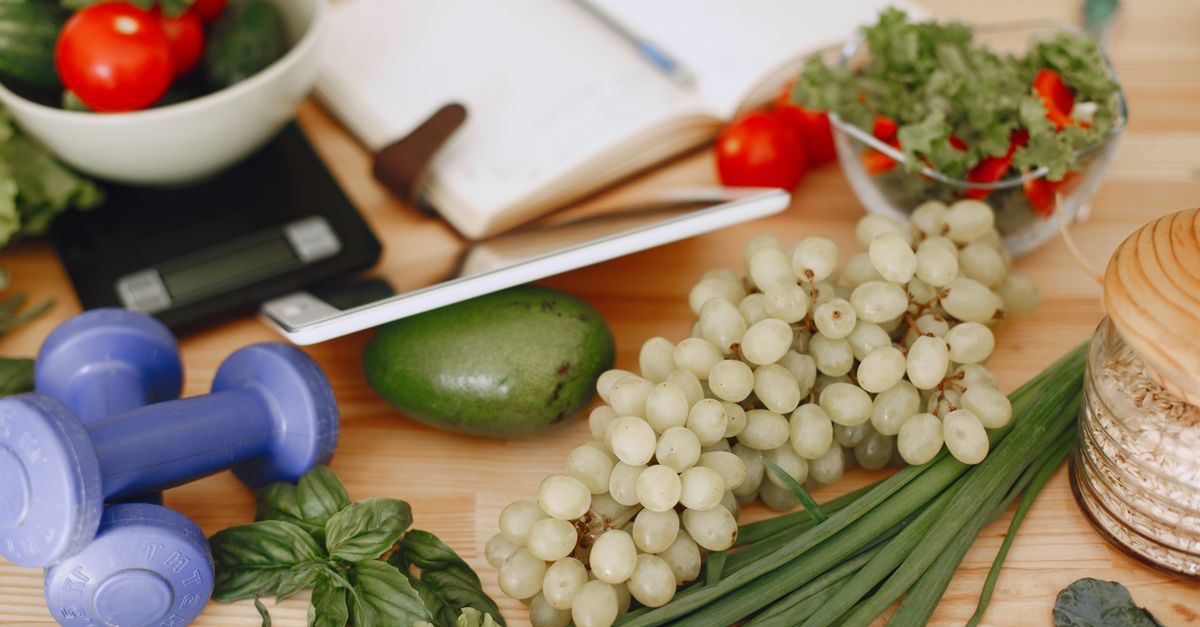
Food is not a moral scoreboard, and dinner does not need to resemble an artistic masterpiece photographed for a magazine. A useful Health Wellness Lifestyle Guide begins with balance: include vegetables or fruit, a source of protein, high-fibre carbohydrates, and satisfying fats across the day. Water should be the everyday default, while treats can remain part of a relaxed approach. Planning two or three reliable meals each week can reduce rushed decisions and expensive impulse purchases. Reading labels helps, but it need not become a full-time detective job. The most sustainable eating pattern is one that provides energy, enjoyment, cultural connection, and enough flexibility for birthdays, travel, and the occasional biscuit that mysteriously disappears from the packet.
Advertisement
Make Movement Ordinary
Exercise becomes less intimidating when it is treated as regular movement rather than punishment for sitting down. In a practical Health Wellness Lifestyle Guide, walking, cycling, dancing, gardening, stretching, and strength exercises all count. The goal is to support stamina, mobility, balance, and muscle without turning every session into a dramatic test of character. Begin with an amount that feels achievable, then increase duration or difficulty gradually. Short bouts can be useful: a brisk walk at lunchtime, stairs instead of a lift, or a few mobility exercises between tasks. Variety also protects motivation. If one activity becomes dull, change the soundtrack, location, pace, or entire activity. Consistency usually beats heroic enthusiasm that vanishes by Thursday.
Advertisement
Protect the Sleep Window
Sleep is often treated as leftover time, yet it influences concentration, mood, appetite, and the ability to handle ordinary challenges. A thoughtful Health Wellness Lifestyle Guide gives rest a place on the calendar rather than expecting it to appear magically after every task is complete. Keeping a reasonably consistent bedtime and wake time can create helpful rhythm. A darker, cooler, quieter bedroom may improve comfort, while reducing stimulating screens or demanding work before bed can make the transition gentler. Caffeine timing matters for some people, and heavy meals close to bedtime may feel uncomfortable. Occasional poor nights are normal; the aim is a supportive pattern, not a flawless record tracked with the intensity of an air-traffic controller.
Advertisement
Manage Stress Before It Spills Over
Stress is a normal response to pressure, but living permanently in emergency mode is exhausting. The stress section of a Health Wellness Lifestyle Guide should focus on practical recovery: slow breathing, brief pauses, time outdoors, creative activities, journaling, or talking with someone trustworthy. These tools do not erase difficult circumstances, but they can create a little space between a problem and an automatic reaction. It also helps to separate urgent tasks from merely noisy ones. Writing three priorities, turning off unnecessary notifications, and setting realistic boundaries can protect attention. A five-minute reset is not laziness; it is maintenance, much like charging a phone before it reaches one percent and begins behaving theatrically.
Advertisement
Nurture Connection and Belonging
Wellbeing is not a solo project conducted in a perfectly organised kitchen. Friends, family, neighbours, colleagues, clubs, and community groups can provide encouragement, laughter, practical help, and perspective. A balanced Health Wellness Lifestyle Guide therefore includes social connection alongside food and fitness. Quality matters more than having a huge contact list. A regular phone call, shared meal, walk with a neighbour, or honest conversation may be enough to strengthen a sense of belonging. Healthy relationships also involve boundaries, mutual respect, and room to say no. If someone is feeling persistently isolated or overwhelmed, reaching out to a trusted person or an appropriate support service can be a sensible step rather than a sign of failure.
Advertisement
Shape the Environment Around You
Willpower is unreliable when the surroundings constantly encourage the opposite of what you intend. Make helpful choices easier by placing fruit where it can be seen, keeping walking shoes near the door, preparing simple ingredients, and creating a comfortable place for rest. A Health Wellness Lifestyle Guide can also include digital surroundings: unfollow accounts that encourage unhealthy comparison, silence nonessential alerts, and keep devices away during meals or bedtime when possible. None of this requires a minimalist home or a dramatic lifestyle purge. Small environmental cues reduce the number of negotiations required each day, leaving more mental energy for decisions that genuinely deserve careful thought.
Advertisement
Plan for Real Life, Not an Imaginary Schedule
The best routine is not the one that looks impressive on paper; it is the one that survives busy weeks, low-energy mornings, changing budgets, and unexpected obligations. Use a flexible Health Wellness Lifestyle Guide by preparing backup options. A simple supermarket meal can replace elaborate cooking, a ten-minute walk can stand in for a longer workout, and an earlier bedtime can be prioritised after a demanding day. Weekly planning should include enjoyment, errands, rest, and social time—not just productivity. Keep goals specific enough to understand and modest enough to repeat. “Move more” is vague; “walk for fifteen minutes after lunch on three days” gives the brain a useful map.
Advertisement
Notice Patterns Without Chasing Perfection
Tracking can reveal useful patterns, but it should remain a tool rather than a source of anxiety. Note energy, sleep, meals, movement, mood, or screen time in a simple format if doing so feels helpful. Look for connections: perhaps late work affects sleep, skipping lunch leads to evening overeating, or outdoor time improves focus. A Health Wellness Lifestyle Guide should leave room for adjustment when evidence from daily life suggests a change. Setbacks are information, not verdicts. Instead of asking why a routine was abandoned forever, ask what obstacle appeared and how the plan could become easier. Progress often looks less like a straight staircase and more like a slightly confused hiking trail.
Advertisement
Keep the Long View
Sustainable wellbeing comes from combining ordinary actions rather than searching for one magical solution. Nourishing meals support energy, movement supports function, sleep supports recovery, and relationships support resilience; each element strengthens the others. The most useful approach is flexible enough to accommodate changing circumstances while remaining clear enough to guide everyday decisions. A Health Wellness Lifestyle Guide works best when it encourages curiosity, patience, and practical experimentation. Small habits may seem unimpressive on any single day, but repeated choices can gradually shape a healthier and more satisfying life.
Advertisement