Everyday Habits for a Healthier, Calmer Daily Routine
A More Realistic Definition of Wellness
Practical Health Wellness Insights are less about chasing perfect routines and more about making sensible choices that fit real life. Sleep, movement, food, stress management, relationships, and preventive care all matter, but none needs to become a full-time job. Small, repeatable habits can quietly improve energy, resilience, and everyday confidence.
Advertisement
Start With the Basics
Practical Health Wellness Insights begin with a simple question: what does your body and mind need most consistently? The answer is usually less exotic than social media suggests. Regular meals, sufficient rest, daily activity, hydration, and moments of genuine relaxation create a sturdy foundation. Think of these habits as the plain white shirt of wellness: not flashy, but remarkably useful. Trying to change everything at once often creates decision fatigue, followed by abandonment. Instead, choose one or two manageable adjustments and attach them to routines already in place. A short walk after lunch, a glass of water beside the kettle, or a regular bedtime can be more effective than an ambitious plan that survives for four days.
Advertisement
Treat Sleep as Essential Maintenance
Practical Health Wellness Insights place sleep near the centre of the picture because rest influences mood, focus, appetite, and patience. A consistent schedule can help the body recognise when it is time to wind down, while a dimmer evening environment may make relaxation easier. Keeping phones away from the bed is useful for some people, particularly when one innocent glance becomes an accidental forty-minute tour of the internet. A calming pre-sleep ritual might include reading, gentle stretching, quiet music, or preparing clothes for the next morning. The goal is not to create a luxurious sleep laboratory; it is to make rest predictable and protect it from unnecessary interruptions. If sleep problems persist or significantly affect daily life, professional guidance is appropriate.
Advertisement
Make Movement Convenient
Practical Health Wellness Insights do not require a membership, matching clothing, or an inspirational playlist with a dramatic bass drop. Movement can include brisk walking, cycling, dancing, gardening, household tasks, mobility exercises, or strength work using body weight. Variety helps prevent boredom and allows different parts of the body to participate. A useful approach is to build activity into existing transitions: walk during a phone call, take the stairs when practical, or stand and stretch between long periods of sitting. Short sessions still count, especially when repeated. Progress can be measured by consistency, comfort, balance, stamina, or strength rather than appearance alone. Exercise should feel challenging enough to be meaningful but sensible enough to recover from.
Advertisement
Build Meals Around Balance
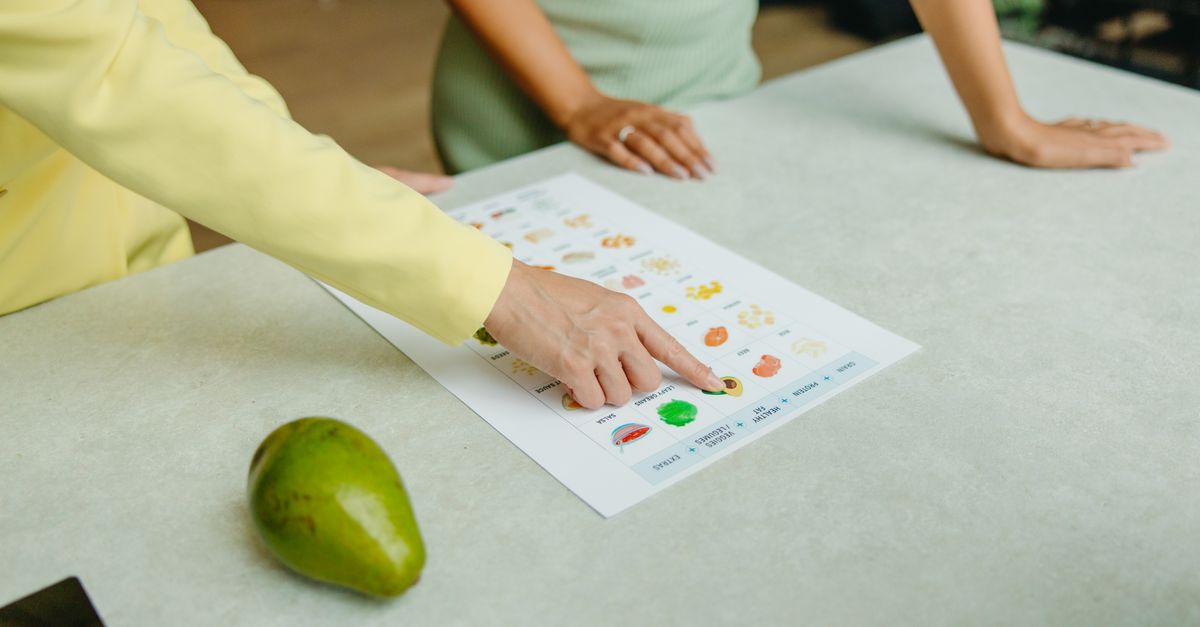
Practical Health Wellness Insights also support a flexible approach to food rather than a moral scoreboard of good and bad choices. Meals can be built around a mixture of vegetables or fruit, protein sources, fibre-rich carbohydrates, and nourishing fats, with room for enjoyment. Planning a few reliable meals reduces the temptation to make complicated decisions while hungry. Keeping convenient ingredients available—such as frozen vegetables, beans, yoghurt, eggs, whole grains, or nuts—makes balanced eating less dependent on heroic motivation. Eating slowly enough to notice taste and fullness can also improve awareness. No single food determines overall wellbeing, and an occasional takeaway is not a character reference. Consistency across weeks matters far more than one imperfect lunch.
Advertisement
Manage Stress Before It Spills Everywhere
Practical Health Wellness Insights recognise that stress cannot always be eliminated; work, caregiving, uncertainty, and life changes are part of being human. The more realistic aim is to notice rising tension and create ways to respond before it dominates the day. Brief breathing exercises, journaling, quiet walks, creative activities, and conversations with trusted people can provide useful pauses. Clear boundaries matter too. Turning off nonessential notifications, grouping similar tasks, and leaving small gaps between commitments can make a crowded schedule feel less like a game of falling plates. Rest is not a reward reserved for after every task is complete, because that mythical moment rarely arrives. It is part of maintaining the capacity to handle responsibilities.
Advertisement
Design a Supportive Environment
A healthy routine becomes easier when the surrounding environment does some of the work. Put useful items where they are visible: keep walking shoes near the door, place fruit within reach, or prepare tomorrow’s lunch before becoming tired. Reduce friction around choices you want to repeat and add a small pause before choices you are trying to moderate. Social support is equally valuable. Friends, family, colleagues, or community groups can provide encouragement, accountability, and humour when motivation wanders off for an extended coffee break. Preventive care also belongs in the broader picture. Keeping routine appointments, paying attention to persistent changes, and discussing concerns with an appropriately qualified professional can help people make informed decisions without relying on guesswork or online folklore.
Advertisement
Personalise the Plan
The best wellness plan is one that respects individual circumstances. A shift worker, a parent of young children, a student, and a person managing limited mobility will need different strategies. Practical Health Wellness Insights become genuinely useful when they account for time, budget, culture, access, preferences, and energy levels. Tracking every detail can help some people, while others find it stressful and prefer a simple weekly check-in. Useful questions include: Did I sleep reasonably well? Did I move in a way I enjoyed? Did I eat regularly? Did I have time to decompress? Did I connect with someone? The answers are not grades. They are information that can guide the next small adjustment. Flexibility prevents one disrupted day from becoming a surrendered month.
Advertisement
Keep Improvement Steady
Lasting change usually comes from repeating modest actions until they become familiar, then adjusting them as circumstances change. A routine should have a minimum version for difficult days, such as a ten-minute walk, a simple meal, or five quiet minutes without a screen. That approach protects continuity without pretending that every day has equal energy. Celebrate evidence of effort rather than waiting for dramatic results, and review the routine occasionally to remove habits that have become burdensome. Practical Health Wellness Insights work best as a compass, not a rigid timetable. They help people make thoughtful choices while leaving room for birthdays, deadlines, travel, illness, and the occasional evening spent eating cereal directly from the box.
Advertisement
Conclusion
Practical Health Wellness Insights are grounded in small, sustainable choices involving sleep, movement, food, stress, relationships, and preventive care. The most effective routine is personal, flexible, and realistic enough to survive busy weeks. By focusing on consistency rather than perfection, wellness can become a supportive part of everyday life instead of another source of pressure.
Advertisement